

Parents say it all the time:
- “He can focus when he wants to.”
- “She’s so smart, but she gets overwhelmed so easily.”
- “It’s like one tiny thing sets him off.”
- “She melts down over homework even though she’s capable.”
- “He’s not listening — he just doesn’t try.”
But here’s the truth that neuroscience makes crystal clear: Focus, behavior, and emotional regulation are not about trying harder. They are about whether the brain has the connectivity, balance, and integration needed to process information, manage stress, and stay in control.
Thousands of families try consequences, rewards, tutoring, therapy, or medication — and still watch their child struggle, not because they’re “not trying,” but because their brain isn’t able to perform the way they need it to.
This is where the root-cause approach becomes life-changing.
The Myth of Willpower: Why Effort Isn’t Enough
Most traditional advice assumes that lack of focus is a discipline problem. That meltdowns result from poor coping skills. That anxiety stems from personality. That behavior is intentional.
But behavior is communication. And focus is a brain function, not a moral decision.
If a child struggles to hold attention, follow instructions, manage emotions, switch tasks, or tolerate stress, that’s a question of neurological development.
Kids and teens don’t choose to struggle. Their brain simply may not be wired to perform the way the world expects.
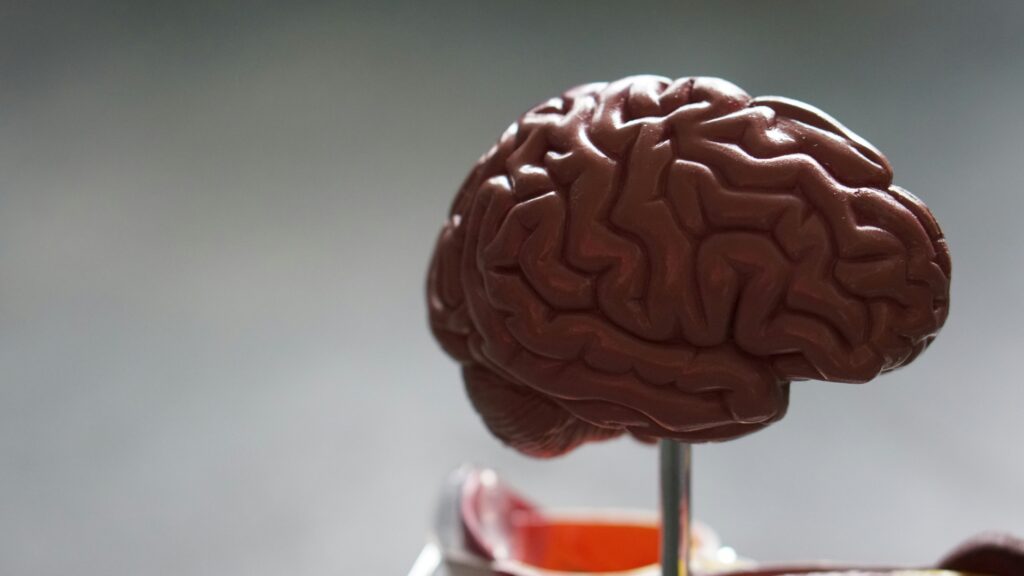
What’s Actually Happening Inside the Brain?
The brain is made up of networks responsible for:
- attention
- processing speed
- emotional regulation
- sensory integration
- executive functioning
- memory and learning
- coordination and motor control
When these networks communicate efficiently, the brain operates smoothly.
When communication is weak, uneven, or underdeveloped, the symptoms look like:
- trouble focusing
- meltdowns
- emotional overwhelm
- anxiety
- forgetfulness
- difficulty following directions
- poor academic performance
- low confidence
And these are signals parents should look out for.
What Causes Weak or Imbalanced Brain Connectivity?
There are many factors that can impact how the brain develops, including:
- Early Developmental Delays: Missed milestones or “quirky” early behaviors may seem small, but they reflect deeper brain patterns.
- Sensory Processing Imbalances: If a child is over- or under-sensitive to noise, movement, textures, or pressure, it affects emotional stability and attention.
- Stress and Anxiety: A stressed brain cannot learn, focus, or self-regulate well — the fight-or-flight system overrides everything else.
- Poor Core Strength or Retained Primitive Reflexes: These affect posture, coordination, attention, and emotional control far more than most people realize.
- Nutritional Deficiencies: The brain relies on nutrients for neurotransmitter production, stable energy, and mood regulation.
- Underdeveloped Brain Regions: One brain hemisphere or network may be under-connected, making tasks feel disproportionately hard.
- Digital Overload: Screens overstimulate the brain and weaken attention networks, especially in developing minds.
Don’t blame yourself or your kids. When we view behavior through this lens, everything starts to make sense.
The Band-Aid Approach
Most traditional solutions focus on surface behavior, not what’s underneath. This is why they often fail to create lasting change.
What does “Band-Aid Approach” mean? These are techniques that may work as a quick fix in the moment, but they fail to correct the underlying issue. This includes things like punishments or rewards, behavior charts, and telling kids to “calm down,” “focus,” or “try harder.”
A Root-Cause, Brain-Based Approach Is Different
Instead of modifying behavior, we strengthen the brain itself.
We focus on:
✔ sensory integration
✔ cognitive development
✔ emotional regulation
✔ motor skills and core strength
✔ nutrition and brain fuel
✔ balance between left/right hemispheres
✔ strengthening weak networks
✔ lowering stress load
✔ reducing anxiety
✔ building resilience
In other words — we build the foundation the brain needs to function as it was designed to.
When the brain is stronger and better connected, everything changes:
- focus improves
- behavior stabilizes
- meltdowns decrease
- schoolwork feels easier
- confidence grows
- anxiety fades
- social skills improve
- mornings and evenings become calmer
It seems like magic, but it’s not. It’s neuroscience.

What You’re Seeing Isn’t the Problem
Tough moments aren’t the problem. They’re a symptom of the problem. Let’s look at some common struggles and the likely root cause beneath them:
Meltdowns = Sensory or emotional overload
Not defiance — a brain stuck in fight-or-flight.
Homework battles = weak executive functioning + anxiety
The brain cannot break tasks down or regulate frustration.
Focus problems = underdeveloped attention networks
No amount of “trying” will make a weak network suddenly strong.
Impulsivity = poor inhibition control and immature brain pathways
Kids aren’t being reckless on purpose.
Anxiety = overloaded emotional centers
Brains stuck in high alert can’t think logically.
When we address why the brain reacts this way, behavior improves naturally — without medication, pressure, or frustration.
Why This Matters for Your Child’s Future
A child who struggles with focus or emotional regulation today can grow into:
- a teen overwhelmed by school
- a young adult battling anxiety
- a professional dealing with burnout, low focus, and self-doubt
Brain development continues throughout life. That means change is always possible, but the earlier the intervention, the easier the transformation.
The Good News: The Brain Can Change at Any Age
Neuroplasticity — the brain’s ability to rewire and strengthen — is lifelong. Children can build the foundational skills they missed. Teens can improve executive functioning and emotional balance. Adults can reclaim focus, clarity, and calm.
The key is identifying and strengthening the root cause of the challenge.
How Wick Wellness and Brain Balance Help
Wick Wellness provides the education, insights, and tools families need to understand how the brain grows and adapts. Brain Balance Jacksonville provides the proven programming that strengthens neural networks and creates real, measurable improvements.
Together, they create a powerful pathway for growth for kids, teens, adults, and families.
Read This Twice If You’ve Been Told Your Child Isn’t Trying
Your child is not lazy.
Your child is not unmotivated.
Your child is not being difficult on purpose.
Your child is struggling because their brain needs support, connection, and strengthening.
Once the brain works better, life gets better.
Ready to Discover the Root Cause?
If your child, teen, or you are struggling with focus, anxiety, behavior, or emotional regulation, there is hope.
Root Cause. Real Results.
That’s the Wick Wellness way.